




News
Workwear Compliance in Ireland: 8 Steps to Keep Your Business Safe
Workwear compliance is a critical responsibility for employers across Ireland. From construction and manufacturing to logistics and food processing, businesses must ensure that their workwear and PPE meet strict legal and safety standards.
Failing to comply can lead to fines, enforcement action, operational disruption, and most importantly, serious risk to employee safety.
In this guide, we break down 8 essential workwear compliance steps to help Irish businesses meet regulations, protect workers, and stay inspection-ready.
What Is Workwear Compliance?
Workwear compliance refers to an employer’s legal obligation to provide, manage, and maintain appropriate protective clothing and personal protective equipment (PPE) for employees exposed to workplace risks.
In Ireland, workwear compliance is governed by guidance from the Health and Safety Authority, alongside EU regulations that set minimum safety and performance standards.
Why Workwear Compliance Is So Important for Irish Employers
Properly managed workwear compliance helps businesses to:
- Reduce workplace accidents and injuries
- Meet Irish and EU legal requirements
- Avoid fines, prosecutions, and reputational damage
- Improve productivity and employee confidence
- Demonstrate a strong duty of care
Compliance isn’t a one-off task, it’s an ongoing process that must evolve with your workplace and workforce.
8 Essential Workwear Compliance Tips for Irish Businesses
1. Match Workwear to Actual Workplace Risks
Generic PPE is rarely enough. Workwear must be selected based on real, task-specific hazards, such as heat, chemicals, moving machinery, low visibility, or biological risks. Each role may require a different level or type of protection.
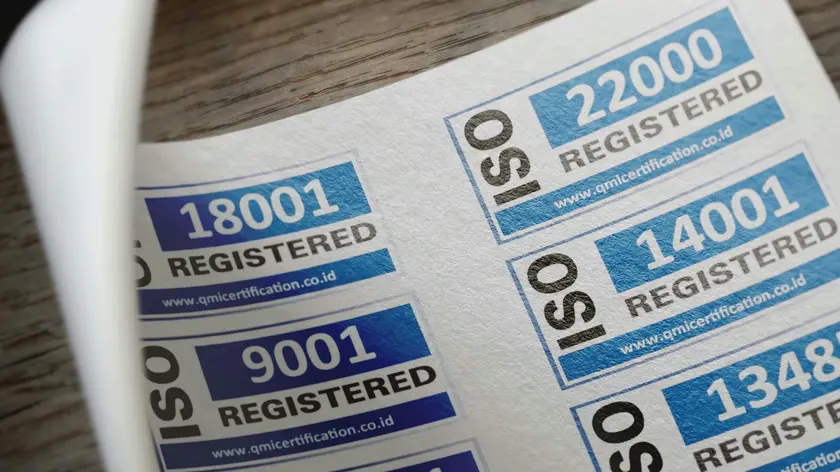
2. Choose Certified Workwear That Meets Recognised Safety Standards
One of the most important steps in achieving workwear compliance is ensuring that all safety clothing is certified to recognised European standards. Certified workwear is independently tested to confirm that it provides the level of protection required for specific workplace risks.
Using uncertified or non-compliant garments can leave employees exposed to hazards and leave businesses legally vulnerable in the event of an inspection or incident.
Certified workwear helps businesses because it:
- Confirms garments meet EU PPE performance and safety requirements
- Provides documented proof of compliance during inspections
- Ensures consistent protection across teams and job roles
- Reduces liability in the event of accidents or claims
In Ireland, employers are expected to demonstrate that PPE is suitable, fit for purpose, and compliant with EU regulations enforced by the Health and Safety Authority.
Choosing certified ranges removes uncertainty and ensures your workwear performs as required in real working conditions.
3. Provide the Right Fit for Every Employee
Ill-fitting workwear can be just as dangerous as no PPE at all. Employers must ensure that PPE is available in a full range of sizes and designs, accounting for gender, body shape, and individual needs.
Comfortable, well-fitted workwear improves compliance and reduces misuse.
4. Train Employees on Correct Use and Limitations
Workwear compliance doesn’t stop at distribution. Employees must understand:
- When PPE must be worn
- How to use it correctly
- Its limitations and lifespan
Regular training helps prevent incorrect usage and reinforces a shared responsibility for safety.
5. Maintain, Clean, and Replace Workwear Properly
Damaged or poorly maintained workwear can invalidate compliance. Employers should have clear systems for:
- Routine inspections
- Professional laundering where required
- Timely repair or replacement
This is especially important in industries where hygiene, contamination control, or flame resistance are critical.
6. Keep Clear Compliance Records
Accurate documentation is essential during inspections or audits. Records should include:
- Risk assessments
- PPE issue logs
- Training records
- Inspection and maintenance schedules
Strong record-keeping demonstrates due diligence and can significantly reduce legal exposure.
7. Review Compliance as Roles and Risks Change
As workplaces evolve, so do risks. New equipment, processes, or regulations may require updated workwear solutions. Regular compliance reviews help ensure PPE remains appropriate and legally aligned.
8. Work With a Professional Workwear Partner
Managing compliance internally can be complex and time-consuming. Partnering with an expert workwear provider ensures access to compliant products, industry knowledge, and scalable solutions.
Elis Ireland supports Irish businesses with fully managed workwear solutions designed to meet regulatory requirements while improving efficiency and consistency.
Common Workwear Compliance Mistakes to Avoid
- Using uncertified or outdated PPE
- Failing to replace worn or damaged garments
- Inconsistent PPE enforcement
- Poor documentation
- Treating compliance as a one-time task
Avoiding these pitfalls is key to long-term compliance and workplace safety.
Elis's Workwear Certifications
Elis Ireland provides advanced protective workwear certified to multiple recognised European and international safety standards. Our highest-certified garments are engineered for complex, high-risk environments where multi-hazard protection is essential.
Key Certifications
- EN ISO 20471:2013 + A1:2016
- ISO 11612:2015
- ISO 11611:2015
Protective clothing for welding and related processes, reducing exposure to sparks, spatter, and brief flame contact. - EN 1149-5:2018
Anti-static properties for environments where electrostatic discharge is a risk, including ATEX zones. - EN 13034:2005 + A1:2009
- EN 61482-2:2020
Protection against the thermal hazards of electric arcs, supporting safety in electrical and utility environments. - EN 14404
Certified knee protection for work that requires prolonged kneeling, ensuring comfort and safety.
High-visibility clothing to enhance wearer visibility in low-light and high-risk environments.
Protection against heat and flame, including convective and radiant heat, molten metal splash, and contact heat.
Limited protection against liquid chemical splashes.
A Simpler Way to Stay Compliant: Elis Ireland’s Circular Workwear Model
Workwear compliance isn’t just about what you issue, it’s also about how workwear is managed over time. Elis supports businesses with a fully managed, circular workwear service that removes the complexity from compliance.
In simple terms, this means:
- We supply certified workwear suitable for your industry and risk level
- We professionally clean and maintain garments, helping them perform as intended
- We repair or replace damaged items, so employees are never wearing unsafe clothing
- We manage garment lifecycles, reducing waste and unnecessary replacement
- We help ensure consistency, so every employee is wearing the correct, compliant clothing
By reusing, maintaining, and responsibly replacing garments, Elis’s circular model helps businesses:
- Stay compliant more easily
- Reduce environmental impact
- Control costs
- Maintain consistent safety standards across teams
It’s a practical, sustainable approach to workwear compliance that supports both regulatory requirements and operational efficiency.
Stay Compliant, Safe, and Inspection-Ready
Workwear compliance is about more than avoiding penalties, it’s about building a safer, more resilient workplace. By following these 8 compliance-focused steps, Irish businesses can reduce risk, improve safety culture, and meet their legal obligations with confidence.
For expert guidance and compliant workwear solutions tailored to your industry, we are here to help!
Need information? Contact us!
*Required fields
Contact details
Your legal name is the name that appears on your official documents.